
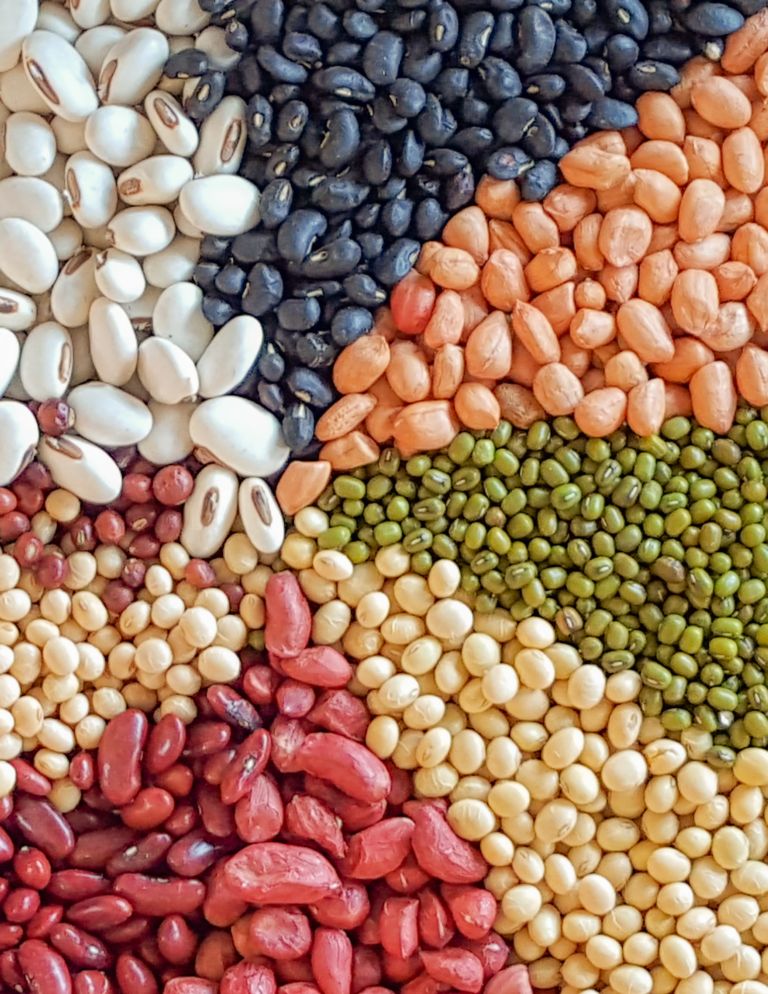
Introduction [Protein-Rich Dal and Pulses]
The building block of life is protein. It strengthens bones, improves immunity, balances hormones, and restores our muscles. The majority of people believe that non-vegetarian foods like chicken, fish, and eggs are the only sources of protein. In actuality, however, dals and pulses are already abundant in Indian cuisine and are excellent sources of protein.
Every Indian meal includes daal. Dal not only satisfies our hunger but also provides our bodies with with energy, whether it’s served as a straightforward bowl of dal with rice or as a fiery curry with roti. The greatest vegetarian protein source is pulses, which are also reasonably priced and nutrient-dense. It is essential to incorporate pulses and dal into your daily diet if you want to reduce weight, gain muscle, or just maintain a healthy lifestyle.
This blog will cover everything you need to know about protein-rich dals and pulses — their protein content, health benefits, best ways to eat them, and how much you should consume daily.
Why Protein from Dal and Pulses Is Important
Protein from dals and pulses is extremely valuable for vegetarians. Here’s why:
🌱 Plant-based source: Perfect for vegetarians and vegans.
💪 Muscle repair and growth: Essential for gym-goers and athletes.
🍲 Keeps you full: High fiber keeps hunger away.
❤️ Good for heart: Helps in controlling cholesterol and blood pressure.
⚡ Energy booster: Provides steady energy with complex carbs and protein.
🧠 Brain function: Amino acids from protein support better focus and mood.
So now let’s look at the top protein-rich dals and pulses you should eat daily.
Top Protein-Rich Dal and Pulses
1. Moong Dal (Green Gram)

Moong dal is one of the lightest and most easily digestible dals. It is available in three forms — whole green moong, split yellow moong, and sprouted moong. This dal is rich in protein, fiber, and essential vitamins.
Protein Content:
| Dal Type | Protein per 100g (raw) |
|---|---|
| Whole Green Moong | 24g |
| Split Yellow Moong | 22g |
| Sprouted Moong | 14g |
Best Way to Eat: Moong dal khichdi for easy digestion, sprouted moong salad for snacks, or moong dal chilla for a protein-rich breakfast.
2. Masoor Dal (Red Lentils)

Masoor dal is quick to cook, soft in texture, and delicious in taste. It is loaded with protein, iron, and folate, making it great for improving hemoglobin levels.
Protein Content:
| Dal Type | Protein per 100g (raw) |
|---|---|
| Whole Masoor | 25g |
| Split Red Masoor | 23g |
Best Way to Eat: Masoor dal tadka, soup, or a simple curry with rice.
3. Chana Dal (Bengal Gram)

Chana dal is made from split chickpeas and is rich in protein and fiber. It is slow-digesting, making it good for weight management and blood sugar control.
Protein Content:
| Dal Type | Protein per 100g (raw) |
|---|---|
| Chana Dal | 21g |
Best Way to Eat: Chana dal curry, dal paratha, or roasted chana as a healthy evening snack.
4. Toor Dal (Arhar Dal)

Toor dal is a staple in Indian kitchens. It is commonly used in sambhar and everyday dal tadka. It gives you protein along with healthy carbs.
Protein Content:
| Dal Type | Protein per 100g (raw) |
|---|---|
| Toor Dal | 22g |
Best Way to Eat: Toor dal sambhar, dal fry, or with plain rice.
5. Urad Dal (Black Gram)

Urad dal is highly nutritious and rich in protein, calcium, and potassium. It helps strengthen muscles and bones.
Protein Content:
| Dal Type | Protein per 100g (raw) |
|---|---|
| Whole Urad | 25g |
| Split Urad | 24g |
Best Way to Eat: Dal makhani, dosa batter, idli batter, or urad dal vada.
6. Rajma (Kidney Beans)

Rajma is one of the tastiest protein sources in Indian cuisine. It is high in protein, fiber, and antioxidants.
Protein Content:
| Pulse Type | Protein per 100g (raw) |
|---|---|
| Rajma | 24g |
Best Way to Eat: Rajma chawal, rajma curry, or rajma salad with veggies.
7. Kala Chana (Black Chickpeas)

Kala chana is a true powerhouse of protein and iron. It helps in boosting stamina and keeping energy levels high.
Protein Content:
| Pulse Type | Protein per 100g (raw) |
|---|---|
| Kala Chana | 20g |
Best Way to Eat: Boiled kala chana with lemon and onion, kala chana curry, or sprouts for breakfast.
8. Kabuli Chana (White Chickpeas)

Kabuli chana, or white chickpeas, is popular not only in India but also globally. It is rich in protein and minerals like magnesium and zinc.
Protein Content:
| Pulse Type | Protein per 100g (raw) |
|---|---|
| Kabuli Chana | 19g |
Best Way to Eat: Chole, hummus, or chickpea salad with vegetables.
9. Lobia (Black-Eyed Peas)

Lobia is a protein-rich and nutrient-dense pulse. It is good for digestion and supports healthy metabolism.
Protein Content:
| Pulse Type | Protein per 100g (raw) |
|---|---|
| Lobia | 21g |
Best Way to Eat: Lobia curry, lobia salad, or lobia pulao.
10. Moth Beans (Matki)

Moth beans are tiny in size but loaded with protein, fiber, and antioxidants. They are especially popular in Maharashtra.
Protein Content:
| Pulse Type | Protein per 100g (raw) |
|---|---|
| Moth Beans | 23g |
Best Way to Eat: Sprouted matki usal, dal curry, or salad.
Complete Protein Chart of Dal and Pulses
| Dal/Pulse | Protein per 100g (raw) |
|---|---|
| Moong Dal | 22–24g |
| Masoor Dal | 23–25g |
| Chana Dal | 21g |
| Toor Dal | 22g |
| Urad Dal | 24–25g |
| Rajma | 24g |
| Kala Chana | 20g |
| Kabuli Chana | 19g |
| Lobia | 21g |
| Moth Beans | 23g |
How Much Dal and Pulses Should You Eat Daily?
Adults should eat 1–2 bowls (150–200g cooked dal) every day.
Athletes or gym-goers can increase the portion and also include sprouts, rajma, or chana.
For best results, combine dal with rice, roti, or quinoa to make it a complete protein.
Benefits of Eating Protein-Rich Dals Daily
1. Muscle Growth and Strength
The protein in dal helps repair muscles and supports strength training.
2. Weight Management
Since dals are high in protein and fiber, they keep you full for longer and prevent overeating.
3. Heart Health
Dal reduces bad cholesterol and supports a healthy heart.
4. Blood Sugar Control
The complex carbs in dal digest slowly, making them perfect for diabetics.
5. Affordable Nutrition
Compared to protein powders or supplements, dal is budget-friendly and easily available.
Tips to Get Maximum Protein from Dals
Soak dals and pulses before cooking to improve digestion.
Sprout moong, chana, and moth beans for extra nutrients.
Mix 2–3 dals in one dish for better taste and amino acid balance.
Add healthy fats like ghee or olive oil while cooking.
Conclusion
Protein is essential for everyone — from growing kids to fitness enthusiasts. Luckily, in India, we have protein-rich dals and pulses like moong, masoor, urad, rajma, chana, lobia, and toor that are affordable, healthy, and easily available.
By including just 1–2 bowls of dal every day, you can meet your daily protein needs without depending on expensive supplements. Next time you sit for a meal, remember that the simple bowl of dal on your plate is actually a superfood that keeps your body strong, active, and healthy.
6 comments. Leave new
Great content, and up to the mark information provided🥰
tysm
Great content bhai i hope you grow more better in future
thank you brother
remarkable information given in this article
ok give me